Industry Radar is our recurring digest of notable developments across the wood, laminate and compact-surface world — with concrete data. In this first issue we’ve gathered the themes setting the 2026 agenda.
EUDR’s new timeline is set
The current EUDR timeline puts document management at the centre of wood-product procurement: 30 December 2026 for large/medium companies and 30 June 2027 for micro/small enterprises. For plywood, MDF, veneer and laminate panels, origin, batch tracking, legal harvest and geolocation data should now be treated as part of the procurement file.
“Self-healing” matt surfaces in the conversation
Anti-fingerprint, super-matt nanotech laminates (e.g. Arpa Industriale’s FENIX NTM) are on design communities’ radar. Per the manufacturer, the surface can thermally heal micro-scratches and shows markedly fewer marks than standard laminate. Matt, mark-hiding surfaces are prominent in kitchens and furniture.
Antimicrobial surfaces in hospital projects
Surface-technology suppliers such as Microban keep antimicrobial HPL solutions on the agenda together with laminate manufacturers. The wording matters: an antimicrobial surface does not replace cleaning protocol; non-porous surface + correct disinfection + proper use should be read together. In healthcare, education and hospitality projects, this distinction avoids exaggerated marketing claims.
Low formaldehyde and indoor air quality
Regulations such as EPA TSCA Title VI and CARB ATCM have made formaldehyde emissions visible in composite wood products. When buying MDF, particleboard or plywood, E0/E1 labels should be checked together with test standard, laboratory, product scope and production plant. In schools, hotels, offices and homes, low-emission panels are now an indoor-air-quality topic, not only an environmental one.
Mass-timber momentum in numbers
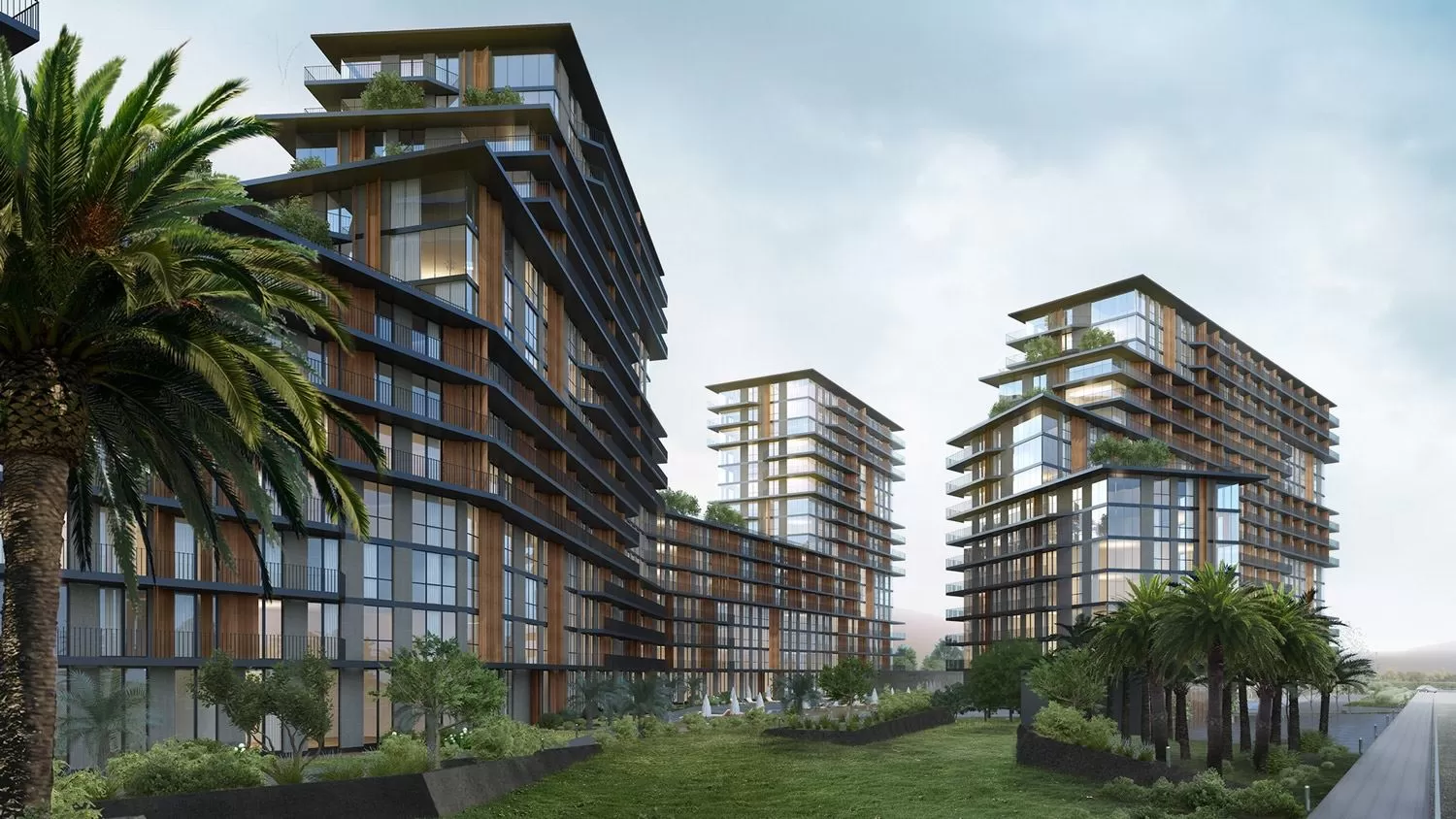
Mass timber is no longer discussed only for residential and office projects. Meta’s 2025 announcement of a mass-timber pilot on data-centre campuses shows engineered wood being tested in new building typologies. This trend encourages plywood, CLT, laminated timber and exterior compact panels to be read together in one sustainable construction language.
The ventilated-facade market is growing
In rainscreen/ventilated facades, the focus is moisture management, thermal comfort, maintenance and fire detailing. Exterior compact panels are watched in this category because of decor variety, non-porous construction and sub-frame compatibility. If joints, air cavity, fire stops and fixing detail are weak, even a good panel will not deliver expected performance.
Circularity and EPDs become a precondition
Recycled content, Environmental Product Declarations (EPD) and life-cycle transparency are increasingly a precondition in public and corporate tenders. “How sustainable is this product?” is now answered with documentation.
Digital print and project-specific surfaces
Custom-print HPL from manufacturers such as Abet Laminati, Wilsonart and Formica makes it easier to carry brand identity onto surfaces in hotels, restaurants, offices and retail projects. This is not only decorative: image resolution, colour management, trimming allowance and CNC hole planning must be clear before production.
This issue’s procurement note
The strongest approach in 2026 is to evaluate panels as “product + documentation + application detail.” For plywood: origin and ply quality; for MDF: emission and surface smoothness; for compact laminate: thickness and fixing detail; for facades: fire documentation and installation guide.
This roundup is updated regularly. If you follow a development or have a source link, share it via contact and we’ll consider it in the next issue.
Sources
#industry news
#wood
#surface
#EUDR
#EPD
#mass timber
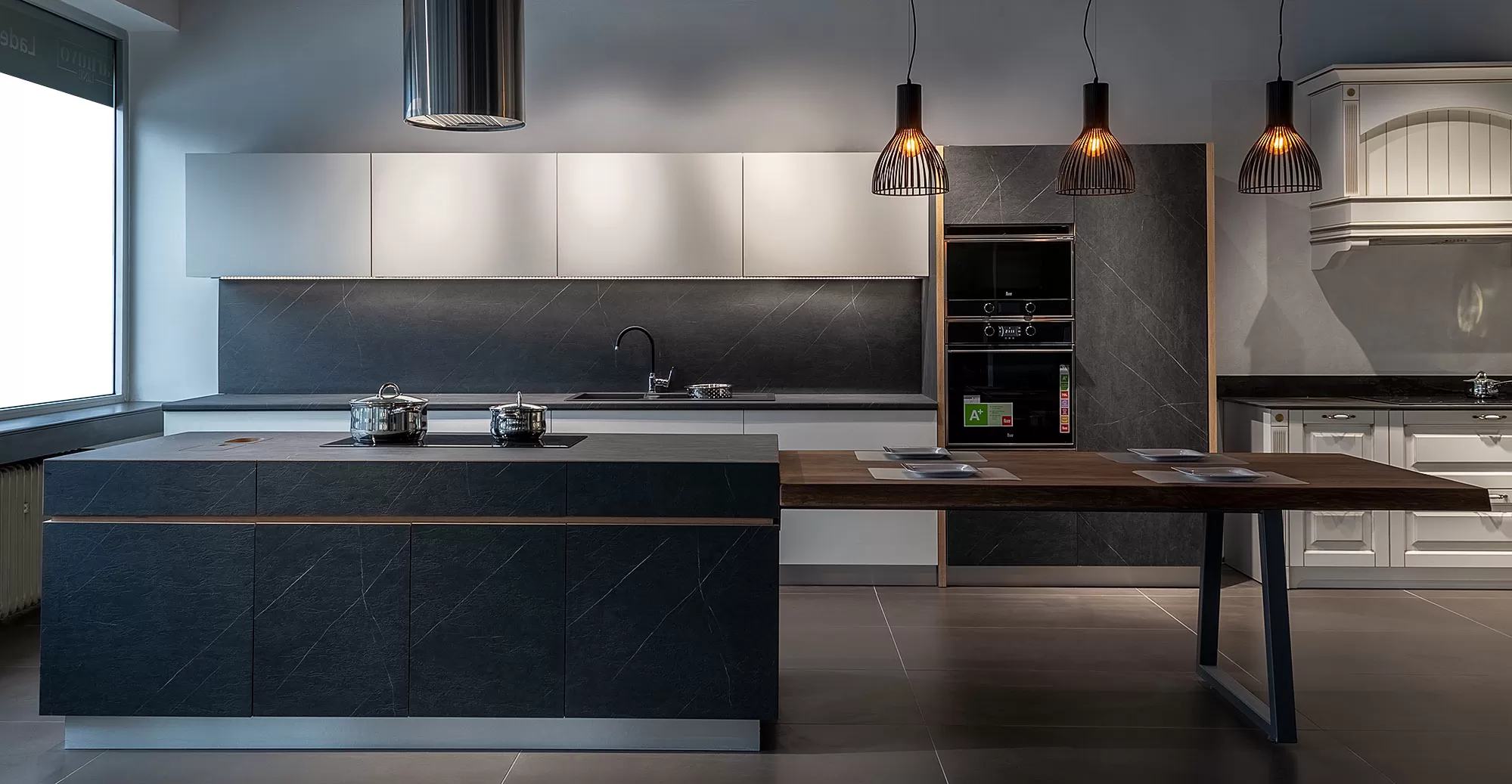
 Plate & Panel Products
Manufacturer
Plate & Panel Products
Manufacturer

 ®
®